Restorative Justice Art
Introducing Restorative Justice Art
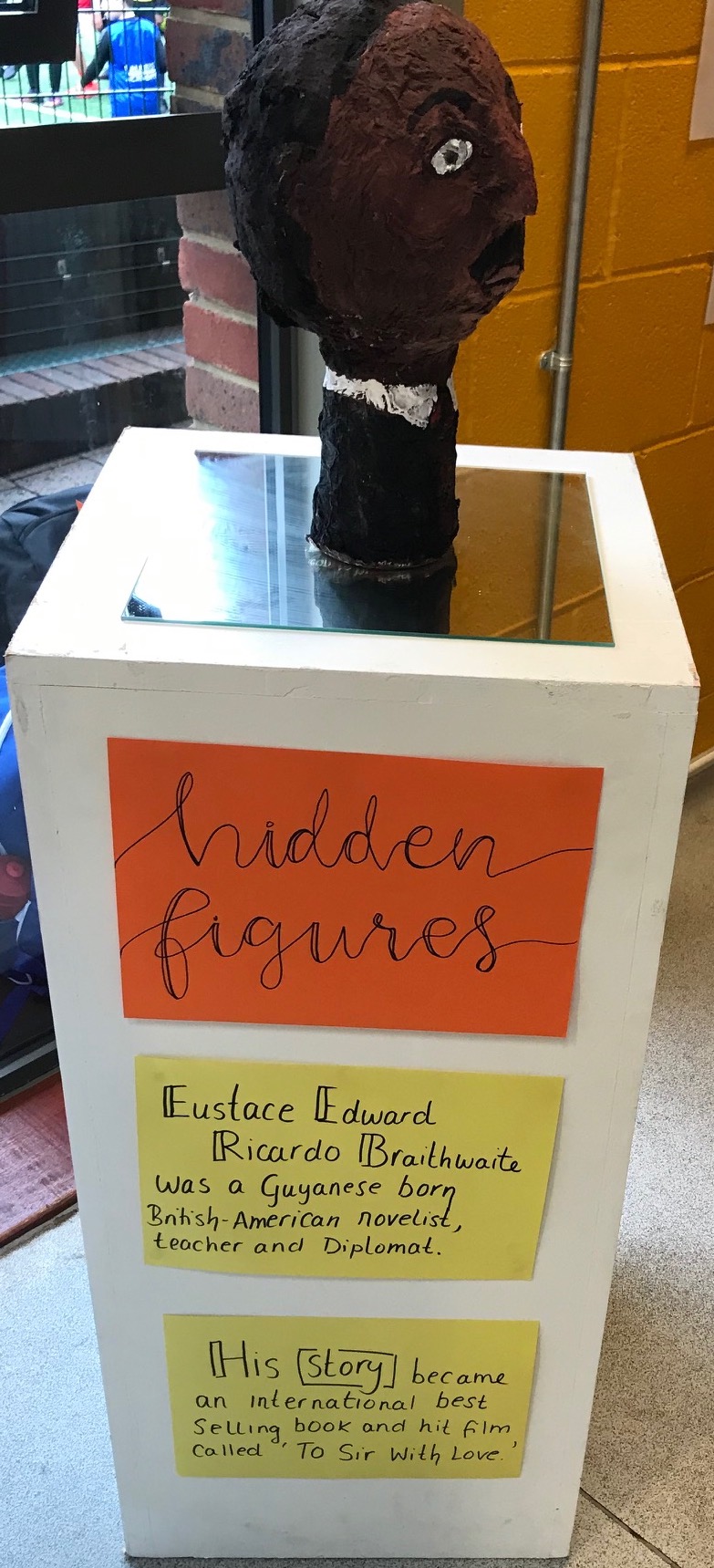
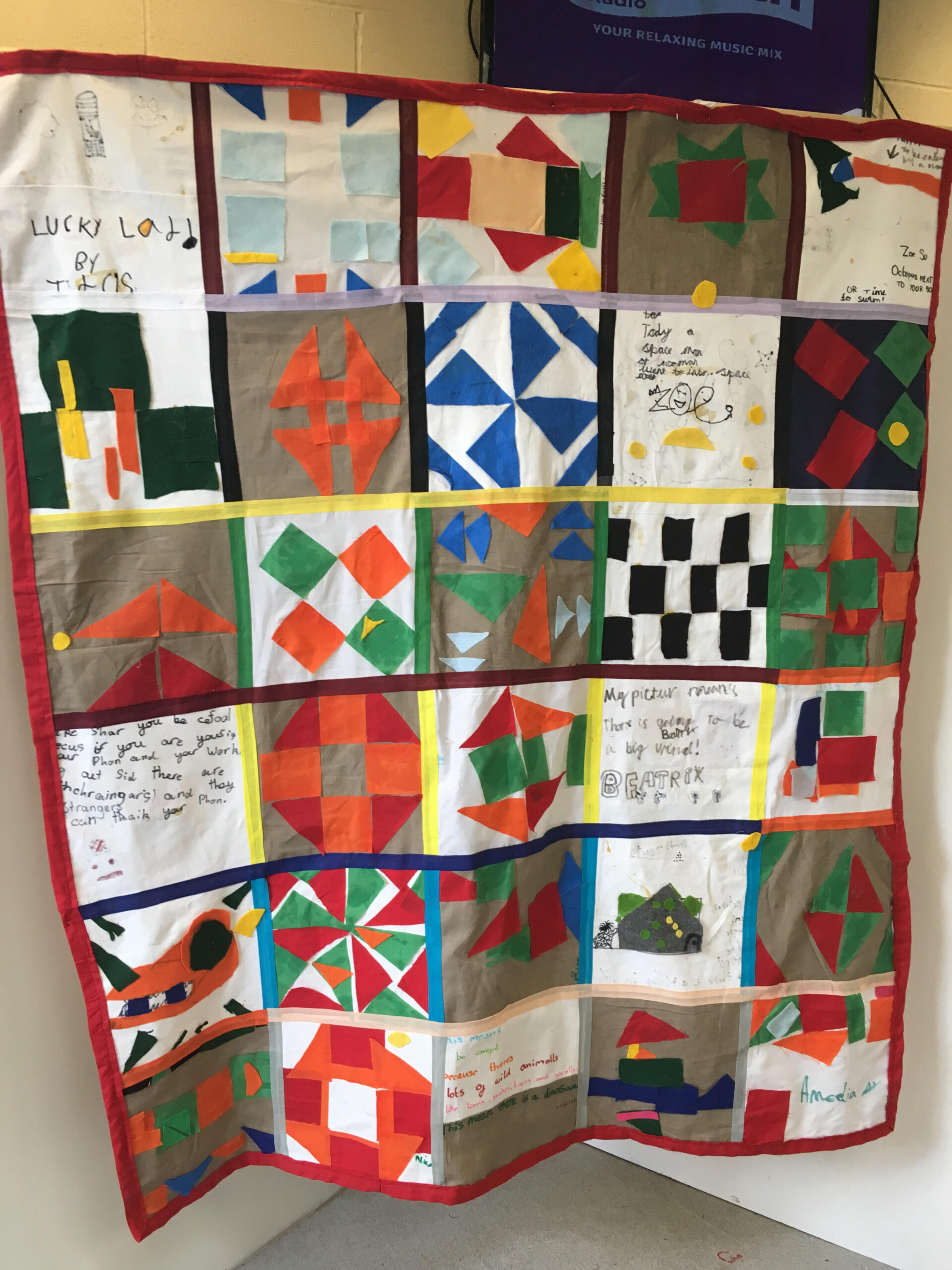
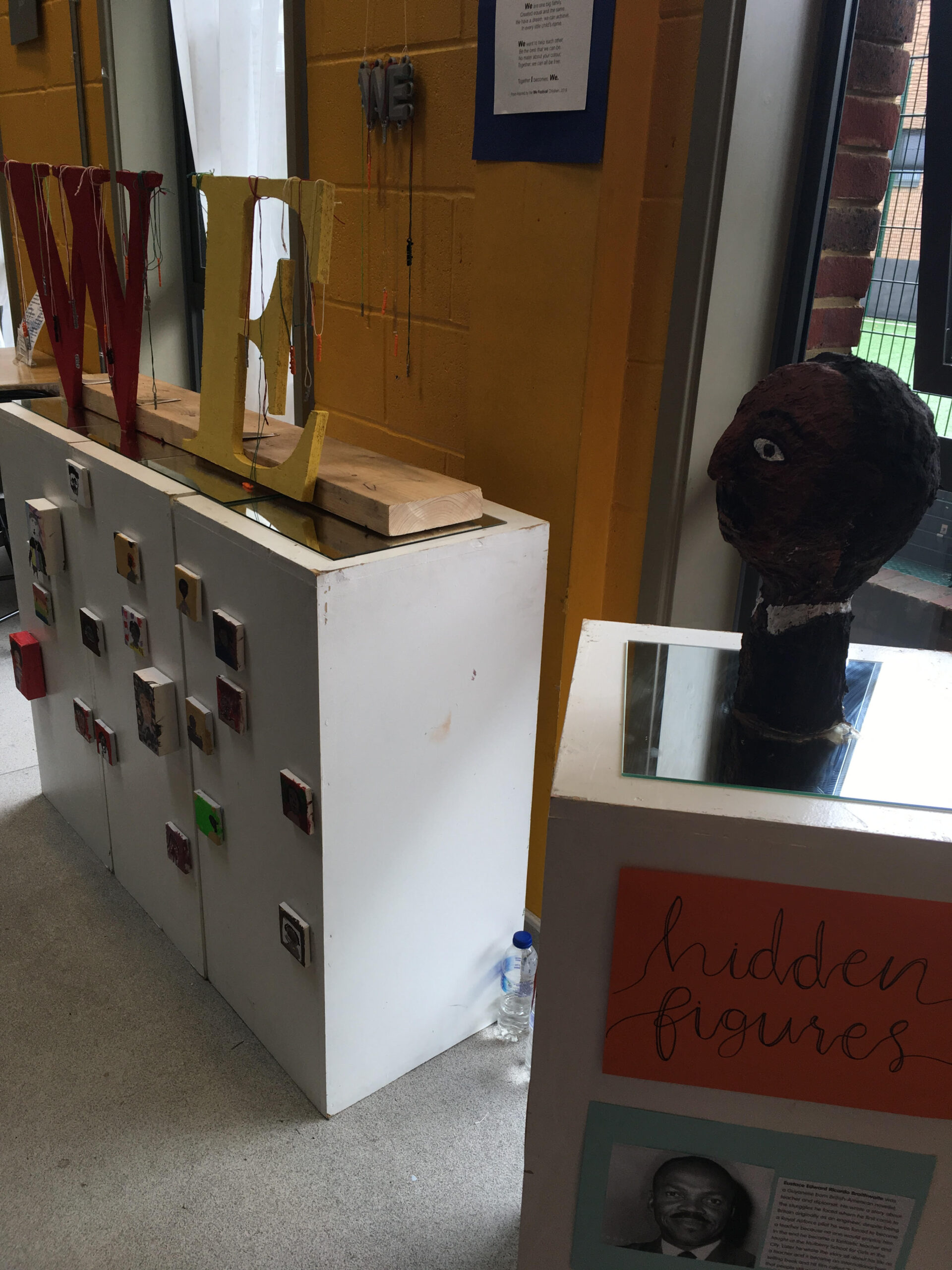
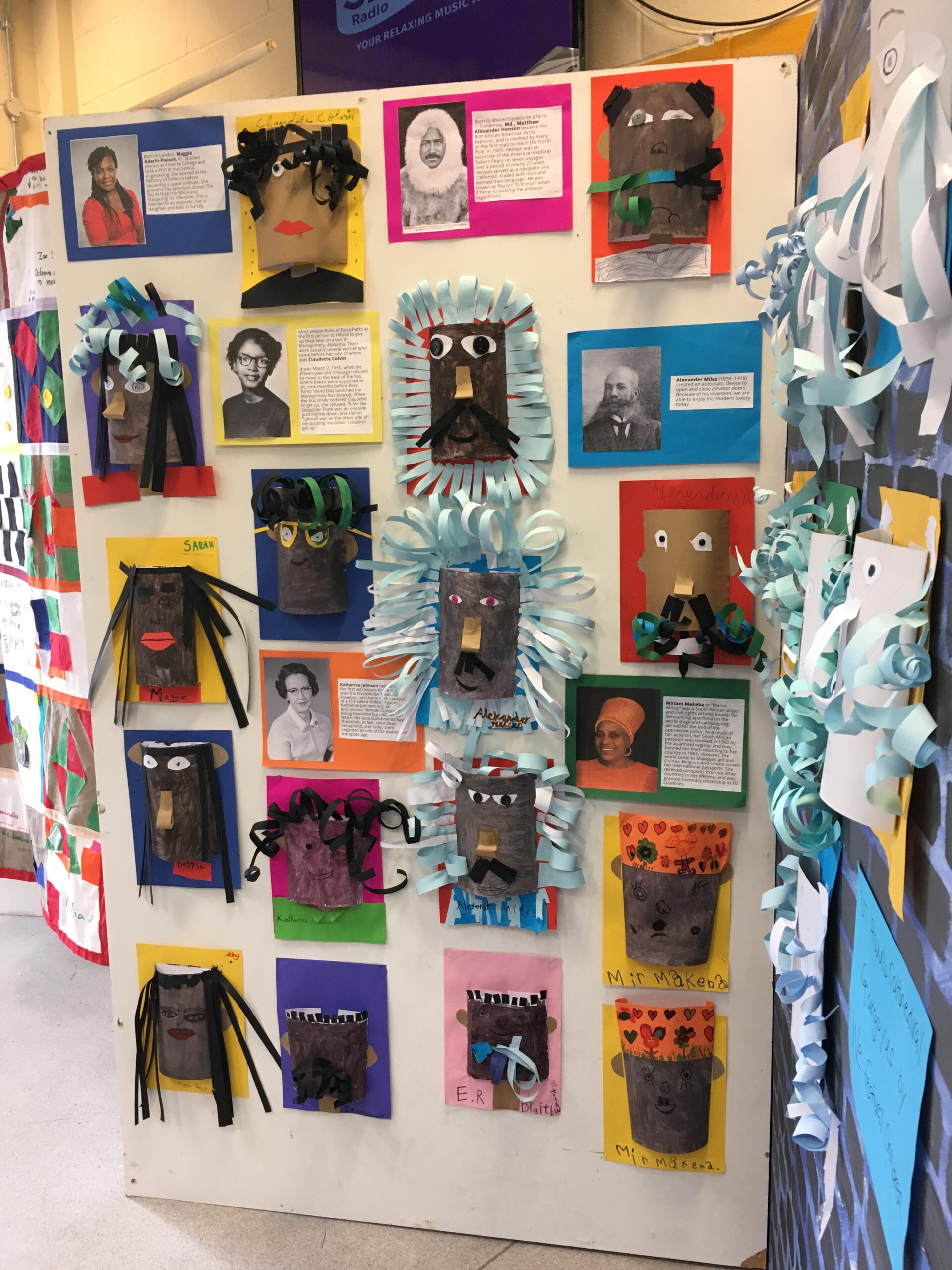
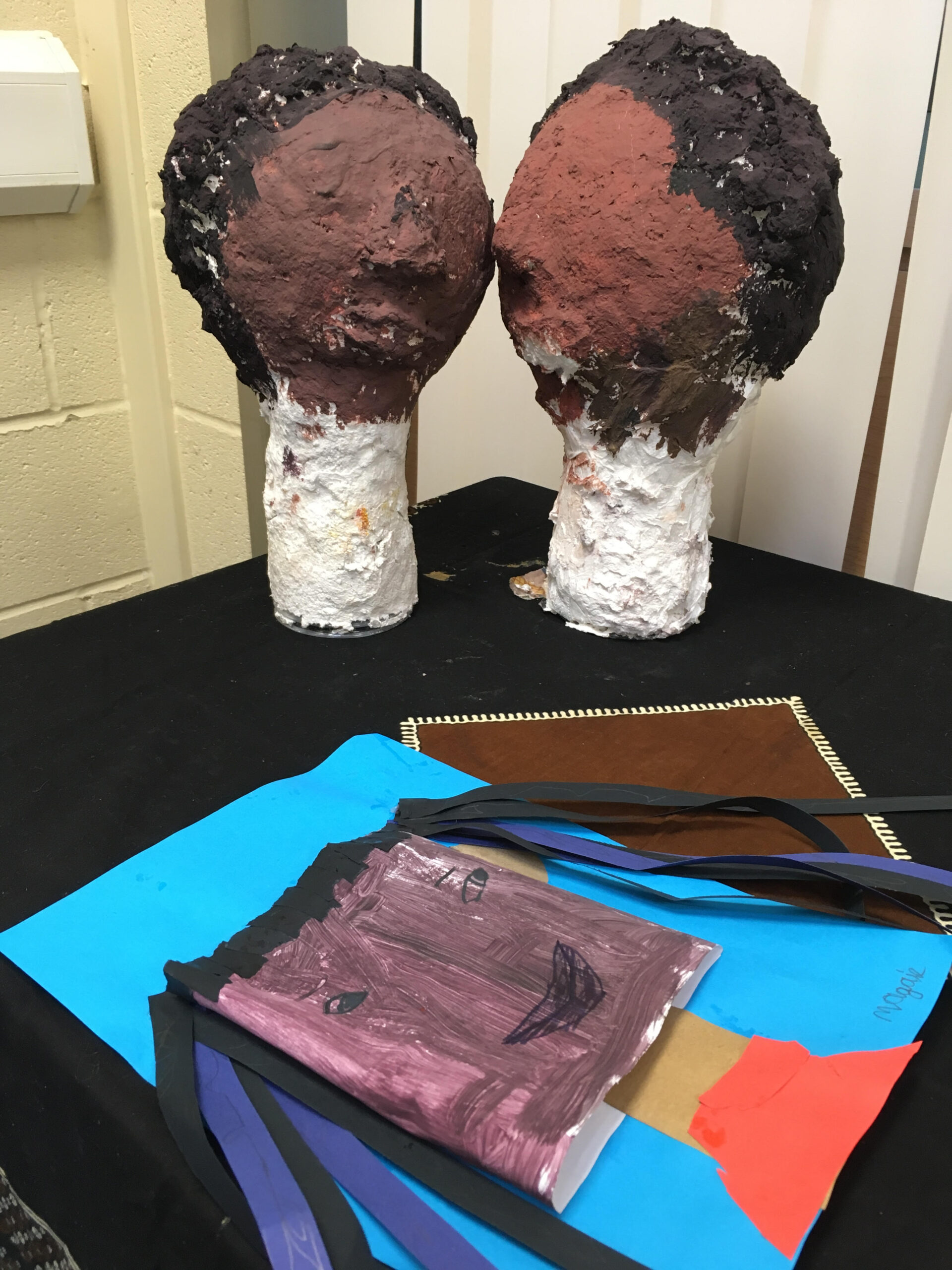
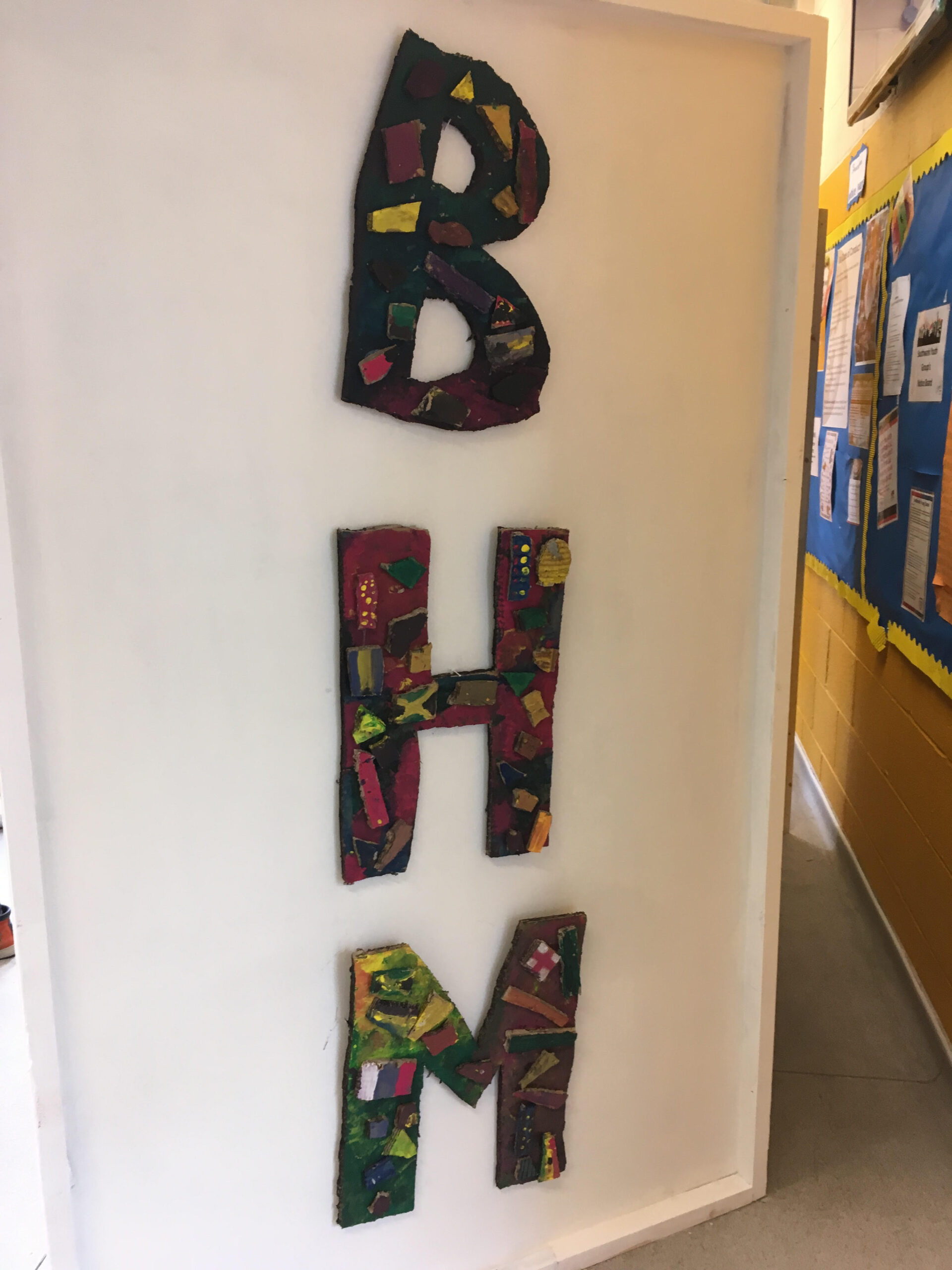
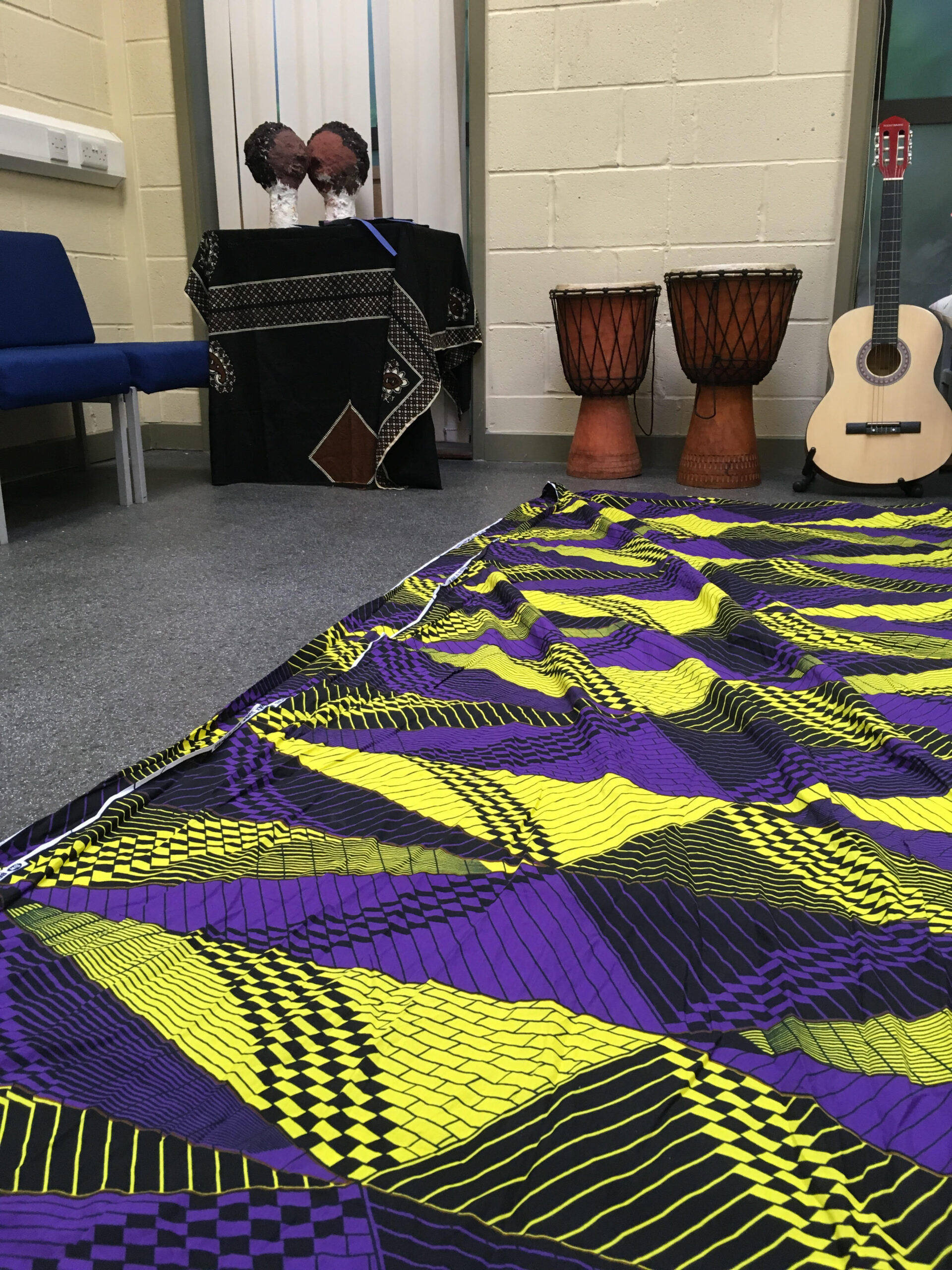
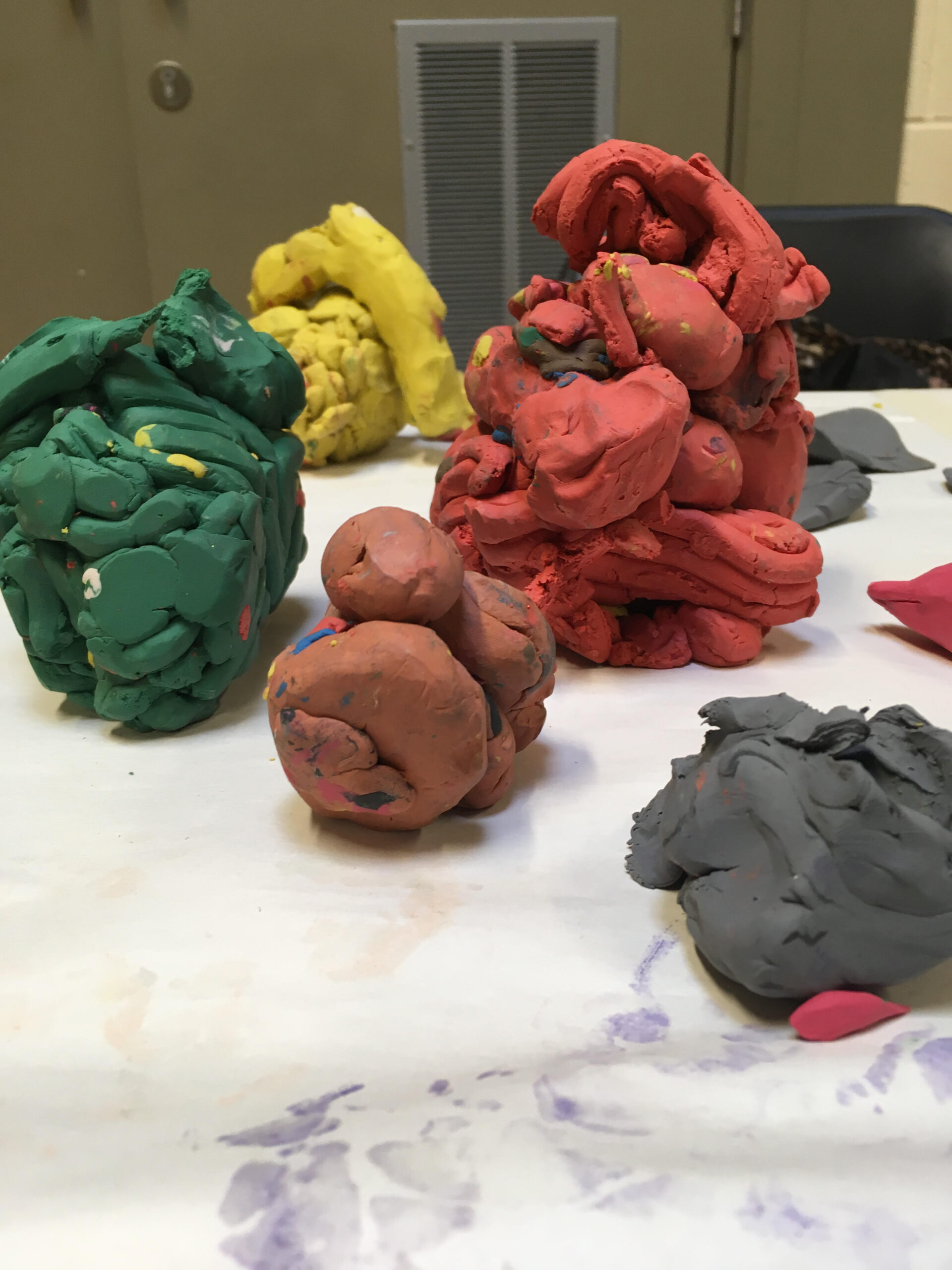
Since 2018, I have been developing and piloting the concept of “restorative justice art”. I define it as “the engagement of visual (e.g. drawing, filmmaking, musical performances), literary (e.g. poetry), performing (e.g. signing, music composition, theatre) plastic (sculpture), printmaking (e.g. digital printing) arts through the ethos (e.g. power sharing, co-design, equality) and practices (e.g. circles) of restorative justice (Gavrielides, 2022).
I originally drew it from Greek philosophy and the Aristotelian concept of catharsis and restorative justice pain (Gavrielides, 2013). Observed through the Greek tragedy, Aristotle and other Greek classic philosophers used the concept to articulate the process of cleansing ourselves from unwanted feelings and emotions, and subsequently experience transformation.
I have evidence that restorative justice art has been piloted as an innovative concept to:
- improve community cohesion and address community tensions and divisive narratives
- improve mental health outcomes especially for those faced with multiple barriers including violence
- develop resilience against risks leading to harm
- support community integration for those going through the gates of prison (Gavrielides, 2022 Introduction to Restorative Justice Art).
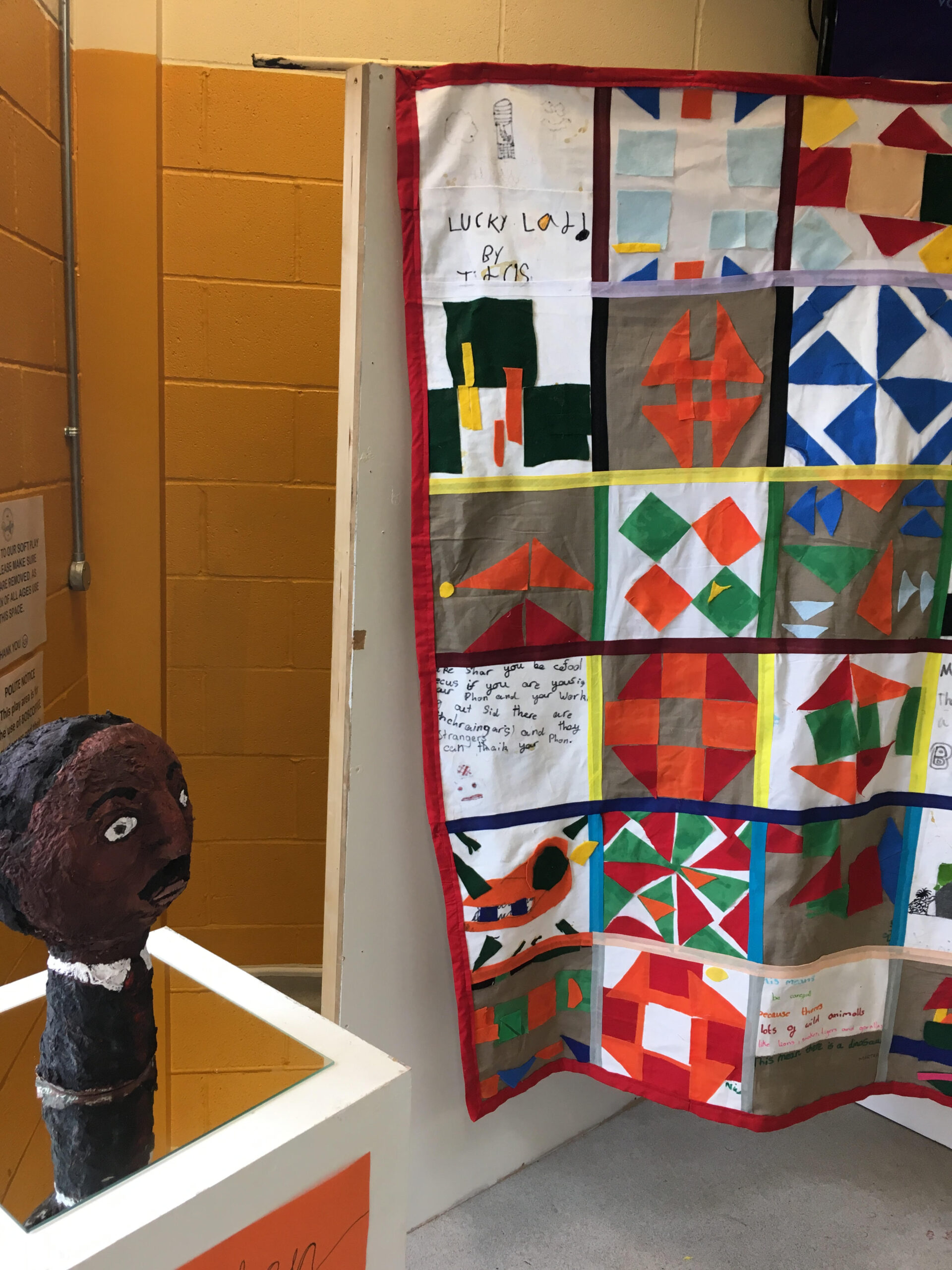
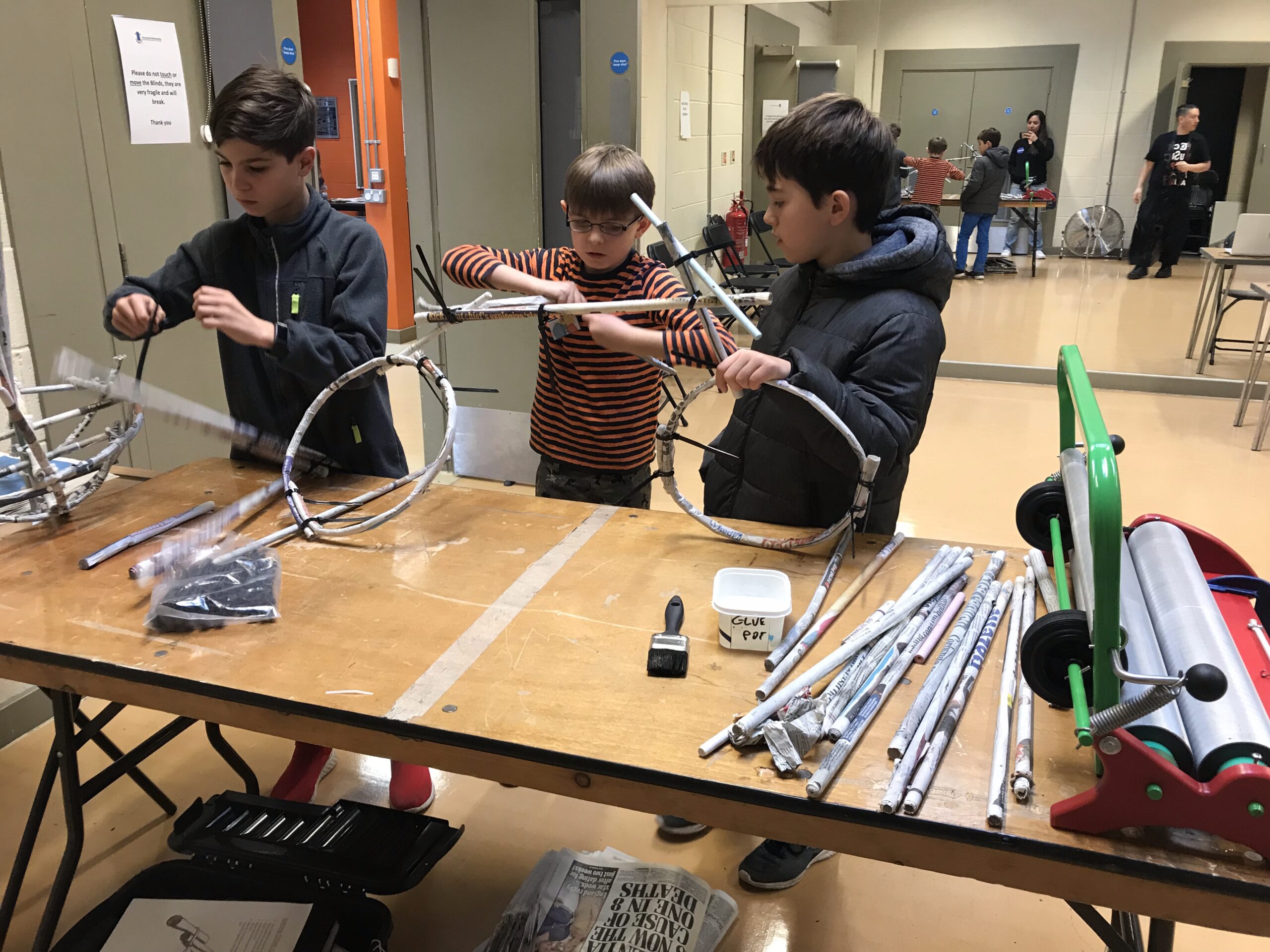
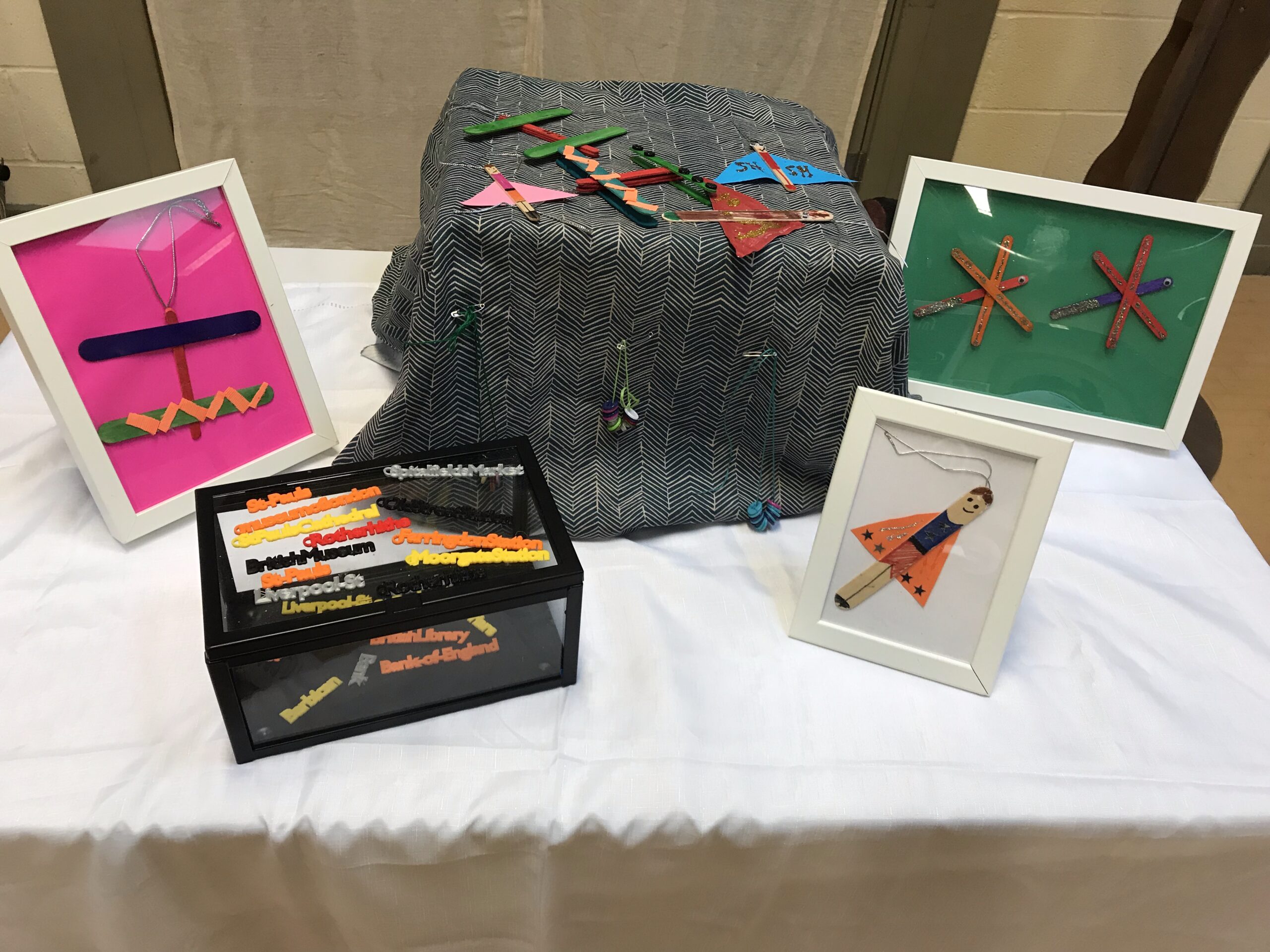
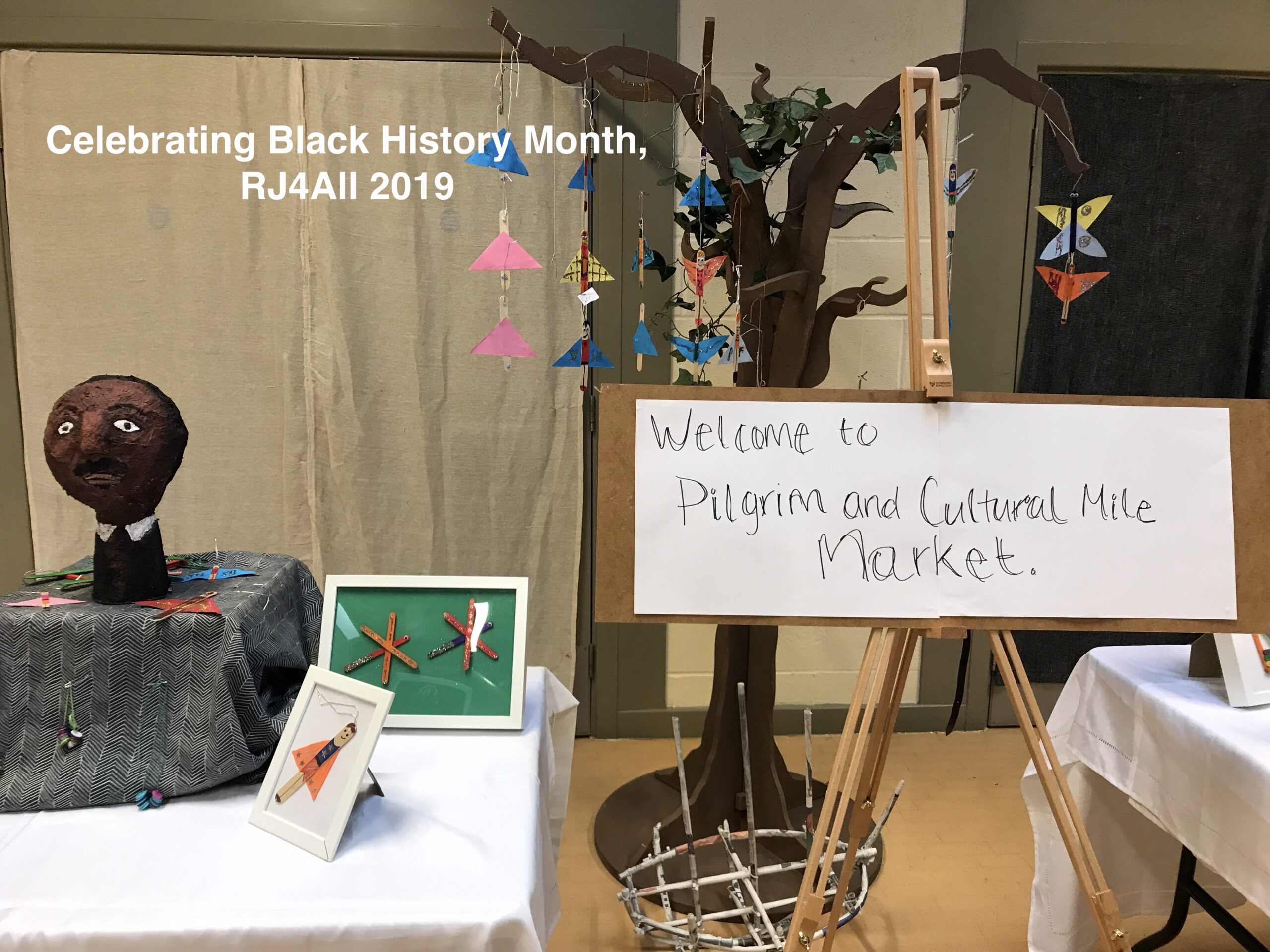
The method of restorative justice art was created as a result of several local and international pilot projects such as the “Culture and Art for Restorative Justice” and “Mental Health Matters”. Several books, training manuals, CPD certified ecourses and papers have been produced on this concept.
Within the space of Restorative Justice Art, I also developed the concept of Restorative Justice Music, a methodology that we have piloted in schools and community settings in the UK and abroad through our “Restoring Respect in Music Education” Erasmus+ funded project.
Restorative Justice Art & Crime prevention
Similarly to the power of sports in reducing violence and building resilience, art has been the focus of numerous projects and studies with both adults and youth at risk, or who have offended. For example, Cohen (2009), George & Kasinathan (2015), and Jabbari & Dadvar (2018) all reported positive results in their impact evaluations of art-based programmes in criminal justice settings. A research study by Tallent, Phillips and Coren (2022) looked at the gaps of arts-based interventions for offenders in secure criminal justice settings aiming to improve rehabilitation outcomes. These are generally understood as art‐based interventions delivered to (adult and youth) at risk or who have offended, and which may include music, dancing, creative writing, theatre performance, visual arts, movement, multi‐arts, arts & crafts, digital art and digital printing, singing and pantomime. These activities may be delivered in individual or group settings, in person or online.
To this end, More importantly, I integrated restorative justice art into my RJiNEAR resilience model. It forms one of the 3 types of activities (art, sports and cognitive learning) that collectively develop 5 resilience domains in individuals at risk (1. Positive identity 2. Emotional intelligence & relational competence 3. Ideological flexibility & social liaison 4. Responding with resilience 5. Restorative justice ethos). The model works especially well with young people and those who are at risk of hate or extremist attitudes or actions.
CPD eCourses on restorative justice art
- RESTORATIVE JUSTICE ART: SUPPORTING MIGRANT INTEGRATION ACROSS EUROPE
- IMPROVING MENTAL HEALTH THROUGH RESTORATIVE JUSTICE
- ART AS A RESTORATIVE JUSTICE TOOL FOR MENTAL HEALTH
- RESTORING RESPECT THROUGH MUSIC EDUCATION: ADDRESSING SOCIAL MARGINALISATION
- BREAKING DOWN BARRIERS THROUGH RECYCLED RESTORATIVE JUSTICE ART: BECOMING AN ENTREPRENEUR
Published work
- Gavrielides, T. (forthcoming), “Restorative justice art: The journey from pain to catharsis and Ithaca” in Gamman, L. and Caulfield, L. (Eds) Redesigning Creative Justice: Assessing Rehabilitative, Restorative, and Regenerative Arts Practices for Transformational Change and Innovation within the Criminal Justice System, Hampshire: Palgrave Macmillan.
- Gavrielides, T. (2022). Introduction to Restorative Justice Art: Four steps towards healing, London: RJ4All Publications. ISBN: 978-1-911634-52-2. DOI: 10.13140/RG.2.2.29019.23848.
- Gavrielides, T. (2013). “Restorative Pain: A new vision of punishment” in Gavrielides, T. and V. Artinopoulou (Ed). Reconstructing Restorative Justice Philosophy, Ashgate Publishing: Furnham, UK, 311-337.
Books & Training manuals on Restorative Justice Art
Follow the links below to access e-books and training manuals on restorative justice art. These are the results of several projects that piloted the concept in different settings including schools, universities, youth centres, youth offending institutions, prisons and the community.
-

The Power of Restorative Justice Art in Cultural Awareness and Migrant Integration
£0.99 Add to basket -

Restorative Justice Art: Supporting Migrant Integration Across Europe: Training Manual
£1.25 Add to basket -
 eBook
eBookIntroducing Restorative Justice Art: four steps towards healing
£9.99 Add to basket -

CULTURE AND ART FOR THE SQUARE MILE: A Restorative Justice Approach to Culture and Art (Restorative Justice Series no:18)
£1.00 Add to basket -

Bringing Restorative Justice and Art into Mental Health Settings
£0.99 Add to basket -

Community Cohesion through Restorative Justice Art
£0.99 Add to basket