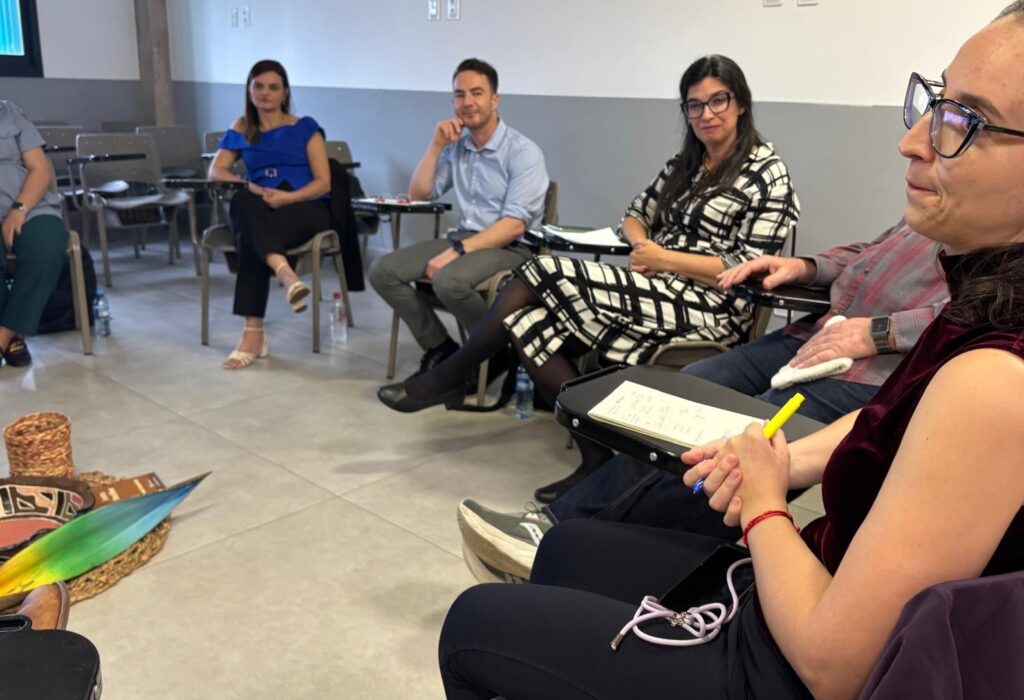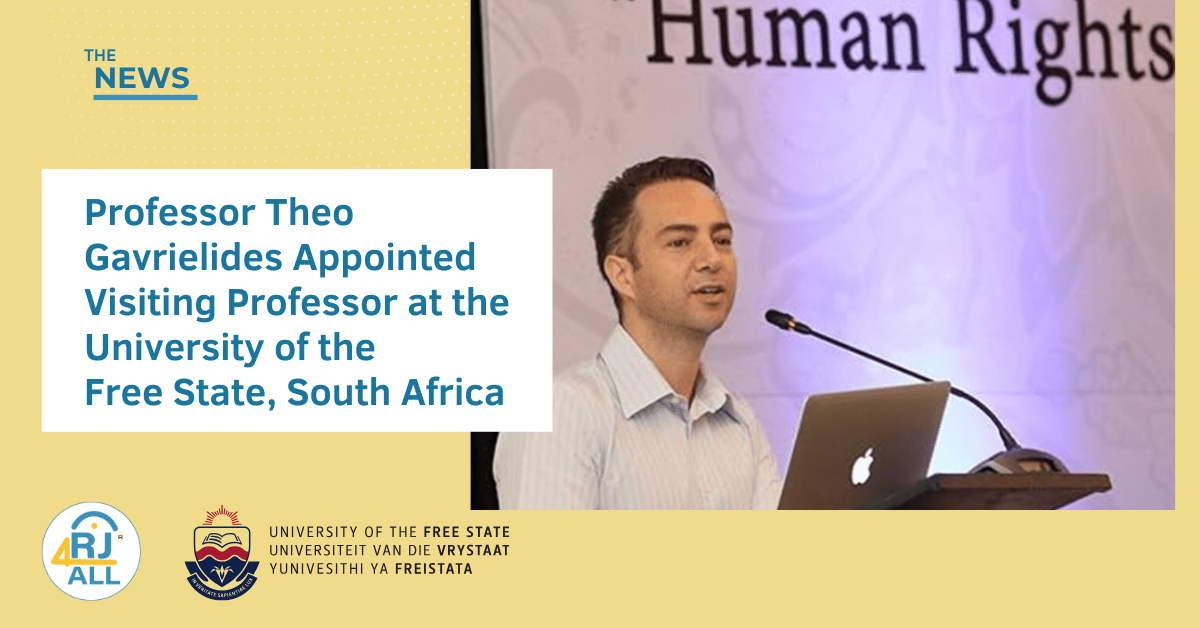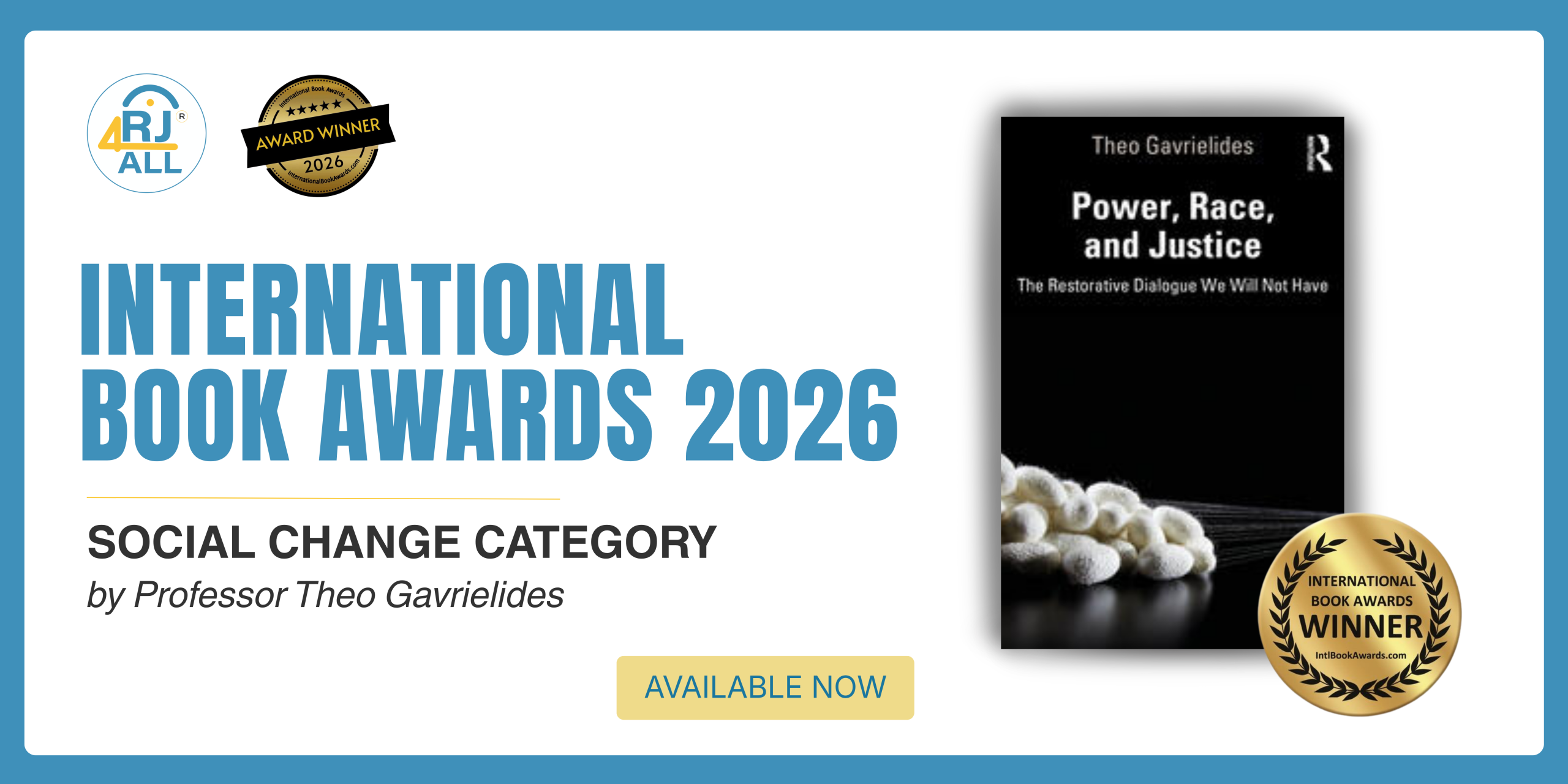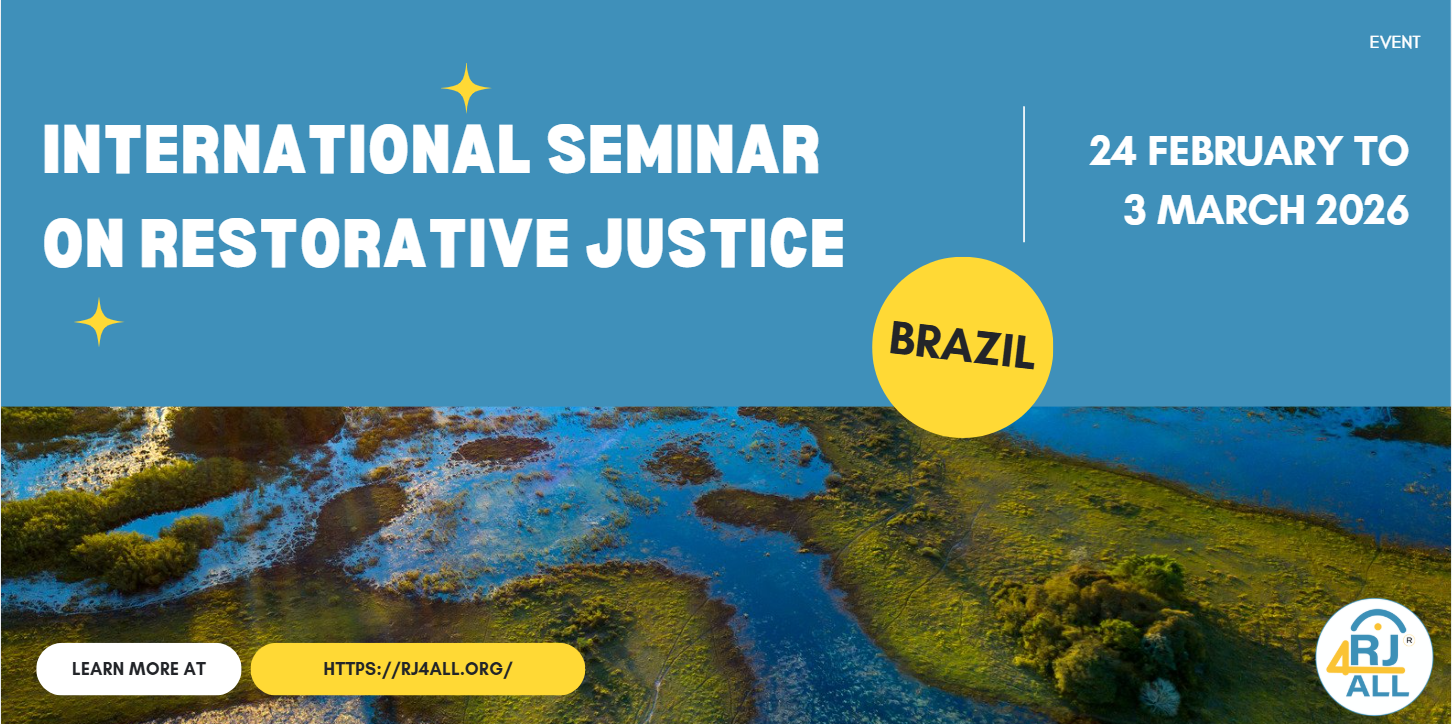
This February, RJ4All Founder and Director Prof. Theo Gavrielides travelled to Campo Grande, the capital of Mato Grosso do Sul, to take part in a landmark training programme on restorative justice and restorative justice policing.
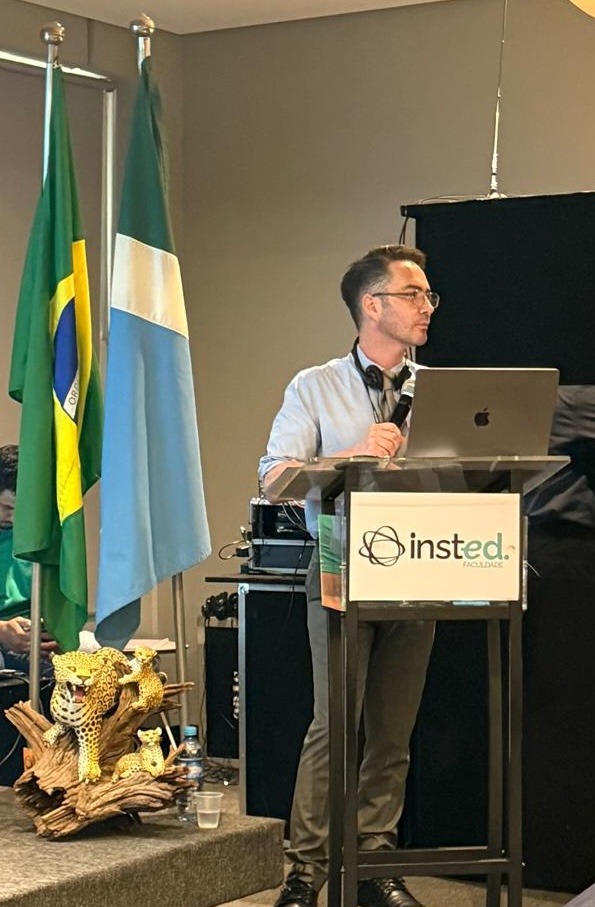
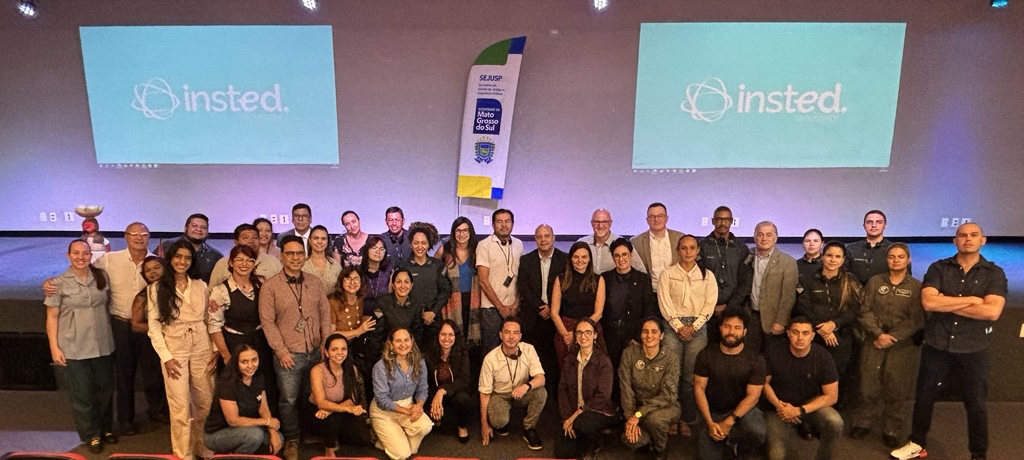
Hosted by Faculdade Insted and delivered in close partnership with SEJUSP, the State Secretariat for Justice and Public Security, the International Seminar on Restorative Justice brought together police officers working in indigenous communities, indigenous community leaders, public prosecutors, and judges handling indigenous conflicts. These are the professionals and communities shaping how justice is experienced on the ground in one of Brazil’s most complex intercultural regions.
By the end of the programme, participants were expected to understand the fundamentals of restorative justice and restorative justice policing, and to examine how these approaches have been applied in Canadian and American contexts. Participants examined Indigenous policing models in Canada, including what Indigenous communities expect from police services and how these approaches align with restorative justice principles. The focus throughout was practical: how restorative justice policing can be meaningfully embedded in the Brazilian context.
“During increasingly turbulent times, when several conflicts are taking place around the world and we speak less to each other, my hope is renewed with initiatives such as this one, bringing civilisations and cultures together under the values of restorative justice. There is much to be done.” Prof. Gavrielides, RJ4All Founder and Director
Context Matters
Mato Grosso do Sul is home to one of the largest indigenous populations in Brazil, including the Guaraní and Kaiowá peoples, whose relationship with law enforcement has long been marked by tension, land disputes, and violence. International bodies have raised concerns about the treatment of indigenous communities in the state.
Brazil has taken important legislative steps, most notably through the National Council of Justice’s Resolution 225/2016, establishing a national policy framework for restorative justice within the justice system. Yet policy alone is not enough. Embedding restorative justice values into daily policing practice requires training, dialogue, and international knowledge exchange.
That is exactly what RJ4All is built to provide.
What the Week Covered
The training took place from 24 February to 3 March 2026, combining lectures, scenario-based exercises and practical workshops. Alongside Prof. Gavrielides, the international faculty included scholars and practitioners from Canada and the United States.
The opening sessions explored the philosophical foundations of restorative justice, clearly distinguishing it from punitive justice models. Prof. Gavrielides, together with Raquel Domingues do Amaral and Katia Roncada, examined key restorative justice practices used internationally, including circles, family group conferencing, victim–offender mediation and truth and reconciliation commissions. The first afternoon culminated in a Circle of Peace, a practical exercise with a deliberate emphasis on ancestral roots.
International perspectives followed. Canadian models of restorative justice policing and community justice forums were presented, alongside US approaches to community policing and evidence-based practice. Prof. Gavrielides also shared about restorative justice and power, exploring the connection between power, criminal justice, and inequality. He examined restorative justice as a form of bio-power to counter abuses of power, and reflected on power sharing as a fundamental restorative justice principle, including how it manifests in everyday life and within criminal justice systems.
The final days grounded everything in Brazil itself. Brazilian practitioners Raquel Domingues do Amaral and Katia Roncada facilitated a session on current practices in Mato Grosso do Sul and across Brazil, before Chip Coldren and Nicholas Jones led a closing discussion on sustainability and developing an evidence-based approach to implementation.
Looking Ahead
The police officers, prosecutors, and community leaders who completed this training are returning to indigenous villages in Mato Grosso do Sul carrying something new – not a script, but a framework and a different way of approaching conflict when it arises.
This training sits firmly within RJ4All’s long-term commitment to building an international consensus on restorative justice standards, practice, and theory. Through our International Restorative Justice Symposia, annual conferences, the International Restorative Justice Pledge, and the International Fellowship of Restorative Justice Practitioners, RJ4All works to build bridges across countries, cultures, and civilisations – creating new knowledge and contributing to a more just society. Brazil represents exactly the kind of context where that vision must be tested in practice, not just in theory.
We are grateful to Faculdade Insted, to Prof. João Salm and the entire organising team, to SEJUSP, and to all the participants who brought their experience and their questions to the table.